Monday, October 26, 2026
Extended Producer Responsibility laws are creating new compliance obligations for manufacturers and other participants across the supply chain. As state EPR programs continue to expand, companies need to understand how responsibility is assigned for covered products, packaging, and batteries, as well as how those obligations vary across jurisdictions. This session will examine key developments in the EPR landscape and provide practical guidance on identifying covered products, determining producer responsibility, and preparing for emerging reporting, compliance, and risk management requirements.
-
 Ryan M. Gallagher
Partner
Louisville, KY
-
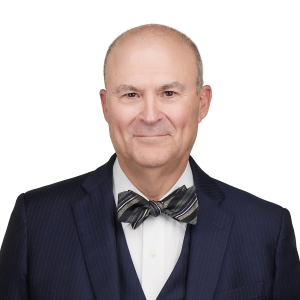 Thierry R. Montoya
Partner
Santa Ana, CA
Tuesday, October 27, 2026
As tariff policies continue to shift, manufacturers face ongoing challenges related to sourcing, supply chains, pricing, and long-term planning. This session will examine practical strategies for reducing tariff exposure and managing risk, including supply chain diversification, trade program opportunities, contract considerations, and other mitigation tools. Attendees will gain actionable insights to help their organizations navigate an increasingly complex trade environment.
-
 Jan de Beer
Partner
Lexington, KY
Wednesday, October 28, 2026
As AI becomes embedded in manufacturing operations, products, supply chains, quality systems, and workforce management, manufacturers need frameworks that address more than traditional legal and operational risks. This session will explore AI governance through a manufacturing lens, examining the full lifecycle of AI adoption, from evaluating and approving use cases to managing data, vendors, privacy, cybersecurity, safety, transparency, accountability, and responsible use. Attendees will gain practical strategies for developing governance programs that support innovation while reducing operational, regulatory, reputational, and ethical risk.
-
 Mason C. Clutter
Partner
Washington, D.C.
Thursday, October 29, 2026
Manufacturers face an increasingly complex policy landscape shaped by developments in trade, labor, environmental regulation, tax policy, artificial intelligence, energy infrastructure, and supply chain resilience. This session will explore the public policy issues most likely to affect manufacturers in the years ahead, including key federal and state developments and the potential implications of the 2026 midterm elections. Attendees will gain practical insights into emerging risks and opportunities and how evolving political and regulatory priorities may influence business strategy, compliance, and long-term planning.
-
 Trey Grayson
Partner
Florence, KY
Washington, D.C.
-
 David J. Pascrell
Partner
Trenton, NJ
Friday, October 30, 2026
Manufacturers face growing exposure to ransomware attacks and other data breaches, business interruption losses, and other cybersecurity disruptions that impact operations and affect the bottom line. This session will examine both sides of the cyber risk equation: how to reduce exposure before an incident occurs and how cyber insurance can help offset losses suffered by the business when one does. Attendees will gain practical insights into cyber insurance coverage, incident preparedness, breach response, and risk mitigation strategies that can strengthen organizational resilience.
-
 John T. Wolak
Partner
Newark, NJ